Leveraging Climate Finance for Smallholders Adaptation to Climate Change
The challenge
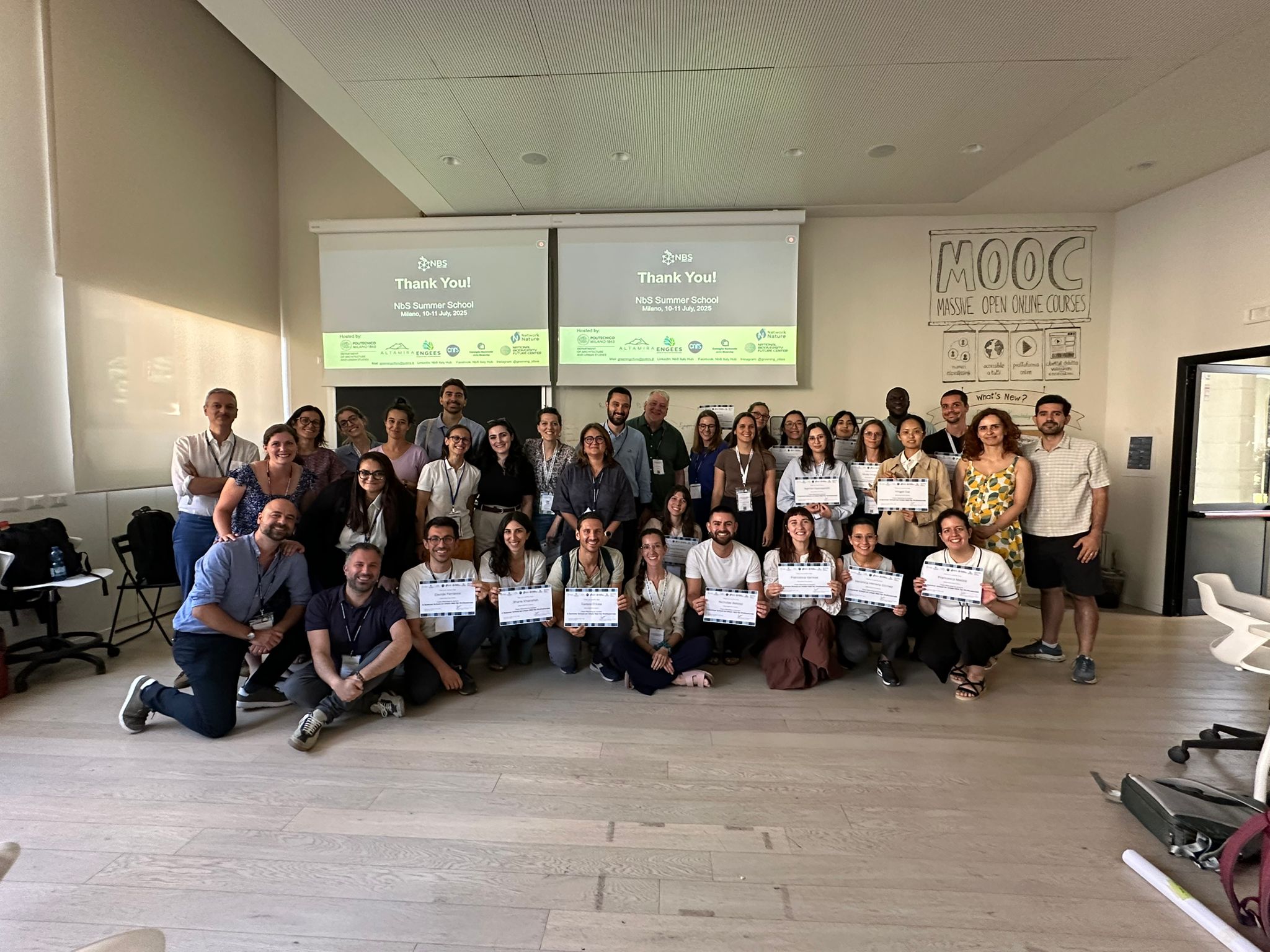
Smallholder farmers are among the populations most vulnerable to climate change, yet adaptation remains one of the most underfunded areas of climate finance. Despite producing more than 80% of the food consumed in developing countries and managing a large share of global agricultural land, smallholders receive only a fraction of global climate finance flows. Less than 2% of climate finance reaches small-scale agricultural producers, while adaptation finance remains dramatically overshadowed by mitigation finance.
At the same time, growing corporate commitments to net-zero emissions, biodiversity protection, regenerative agriculture, and nature-based solutions are creating entirely new markets and sources of capital. The challenge is how to connect these emerging opportunities with the adaptation needs of smallholder farmers and rural communities.
Our contribution
Commissioned by the Office of the Vice-President for Strategy and Knowledge at IFAD in preparation for COP27, Altamira designed and led a strategic research and stakeholder engagement process to explore how climate adaptation can become more investable and how IFAD could strengthen its role within the evolving climate finance ecosystem.
The assignment focused on two fundamental questions:
- Can adaptation benefits be monetized, and if so, through which financing and implementation mechanisms?
- How can IFAD partner with corporations, investors, and sustainable finance actors to mobilize greater investment for smallholder adaptation and a just transition?
Altamira designed the research framework, facilitated strategic dialogues with climate finance pioneers, impact investors, corporations, multilateral organizations, and nature-based solutions experts, and developed a roadmap for IFAD’s future engagement with private-sector partners.
Our approach
Traditional climate adaptation discussions often focus on funding gaps.
This project explored a different perspective:
1. How can adaptation generate value that attracts investment?
Rather than treating adaptation solely as a public expenditure challenge, the work examined how the multiple benefits generated by resilient agricultural systems could create new revenue streams, attract private capital, and unlock innovative financing mechanisms.
2. Systems Thinking Across Finance, Agriculture, and Nature
The analysis connected three domains that are often treated separately:
- Smallholder agriculture and rural development
- Climate and sustainable finance
- Nature-based solutions and ecosystem markets
3. Collective Intelligence and Market Dialogue
The process combined:
- Literature review and systems analysis
- Mapping of emerging climate finance trends
- Review of pioneering financing instruments and partnerships
- Strategic dialogues with leaders from multilateral organizations, private-sector corporations, impact investors, and conservation finance initiatives
- Collaborative design of a roadmap for action
Key findings
1. Adaptation Benefits Can Be Monetized
A central insight emerging from the dialogue was that Europe’s water challenge is not primarily a financing challenge. Rather, it is a challenge of investment origination, coordination, governance, and institutional alignment. Participants repeatedly highlighted that better outcomes depend as much on how investments are conceived, planned, and coordinated as on the availability of capital.
A central conclusion of the research was that adaptation benefits are increasingly becoming investable.
The study identified six financing and revenue-generation mechanisms with particularly strong potential to support smallholder adaptation:
- Soil carbon credits
- Water credits
- Corporate stewardship investments
- Wetland and mitigation banking
- Payment for ecosystem services
- Adaptation Benefit Mechanisms
Together, these instruments create new opportunities to mobilize resources beyond traditional public and development finance.
2. Nature-Based Solutions Are Creating New Markets
Growing demand for carbon credits, ecosystem services, and nature-based solutions is opening pathways for investments that simultaneously support climate adaptation, mitigation, biodiversity, and rural livelihoods.
Particularly promising is the role of regenerative agricultural practices that improve soil health, increase carbon sequestration, enhance water retention, and strengthen resilience to drought and climate shocks.
3. Carbon Markets Are a Stepping Stone, Not the End Goal
The research concluded that voluntary carbon markets can play an important catalytic role in financing adaptation and regenerative agriculture. However, carbon finance alone will not be sufficient.
Instead, carbon revenues should be viewed as an entry point for broader investment strategies capable of capturing multiple environmental and social benefits.
4. The Future Lies in “Mosaic Projects”
One of the most important insights emerging from the research was the concept of mosaic projects—integrated investments capable of generating multiple value streams simultaneously.
Rather than relying on a single revenue source, these projects combine different mechanisms such as carbon credits, water benefits, biodiversity outcomes, ecosystem services, and corporate investments.
Altamira described this emerging approach as the creation of a regenerative value stack, where multiple benefits are recognized, valued, and mobilized to improve project bankability and long-term sustainability.
Strategic outcome
The project resulted in a roadmap for IFAD’s strategic engagement with corporations, impact investors, and sustainable finance actors.
The roadmap identified practical pathways for:
- Leveraging voluntary carbon markets
- Expanding partnerships around nature-based solutions
- Mobilizing corporate climate and sustainability investments
- Supporting regenerative agricultural transitions
- Increasing investment in smallholder adaptation
- Positioning IFAD as a catalyst within emerging climate and nature finance ecosystems
Why this matters
As climate impacts intensify, adaptation finance will become one of the defining challenges of sustainable development.
This project helped shift the conversation from how adaptation can be funded to how adaptation can become investable.
By exploring how climate resilience, ecosystem restoration, regenerative agriculture, and rural development can create mutually reinforcing value, the work contributed to an emerging vision of finance that rewards long-term resilience rather than short-term extraction.
The insights generated through this assignment continue to inform broader discussions on regenerative finance, nature markets, and the role of development finance institutions in enabling a just transition.
Mission-Driven Investment Planning for Regeneration – NetworkNature Plus
The challenge
Across Europe, cities and regions are facing increasingly interconnected challenges related to climate adaptation, biodiversity loss, water security, ageing infrastructure, economic competitiveness, public health, and social cohesion. They are also at the forefront of delivering the European Green Deal, the Biodiversity Strategy, the Climate Adaptation Strategy, the EU Missions, and other ambitious policy commitments. Yet translating these ambitions into investable projects and coordinated investment programmes remains a major challenge.
While Nature-based Solutions are increasingly recognised as part of the solution, many planning and investment processes remain fragmented, organised around individual sectors, projects, and funding streams. Infrastructure decisions are often taken independently from ecosystem restoration efforts, climate adaptation strategies, and economic development objectives.
As a result, public authorities frequently struggle to translate ambitious climate and biodiversity commitments into investable projects and coordinated investment programmes capable of delivering systemic impact.
The challenge is therefore not only how to implement more Nature-based Solutions, but how to rethink strategic investment planning and redesign infrastructure systems so that natural, built, social, institutional, and financial assets work together to deliver multiple outcomes simultaneously.
Our contribution
As part of the European Commission-funded NetworkNature+ consortium, Altamira leads the development of a pioneering capacity-building programme designed to help cities, regions, infrastructure professionals, and public authorities rethink how infrastructure investments are originated, planned, financed, and delivered. The programme supports a fundamental transition:
From fragmented projects and siloed planning toward regenerative infrastructure systems designed around shared societal missions. Altamira is responsible for designing the conceptual framework, methodology, learning architecture, bootcamp programme, and practical tools that enable participants to move from long-term vision to implementation and investment.
The work forms part of the European Commission’s broader effort to accelerate the uptake of Nature-based Solutions while strengthening the role of ecosystems as critical infrastructure networks within climate-resilient and nature-positive development pathways.
Rethinking infrastructure
A central premise of the programme is that ecosystems should not be viewed solely as environmental assets. Healthy watersheds, wetlands, forests, soils, urban green networks, water infrastructure, transport systems, governance institutions, and financial mechanisms all interact to shape resilience outcomes.
The programme encourages participants to move beyond project-level thinking and towards the design of regenerative infrastructure systems capable of generating environmental, social, and economic value simultaneously, with Nature-based Solutions understood as part of a broader portfolio of interventions that together strengthen resilience, restore ecosystems, improve quality of life, and support long-term prosperity.
The mission-driven investment planning approach
The programme introduces a mission-driven investment planning methodology that helps cities and regions move beyond fragmented planning and project-by-project decision-making.
A distinctive feature of the programme is its focus on investment origination and market creation. Participants explore how public authorities, investors, utilities, developers, entrepreneurs, and Nature-based Enterprises can collaborate to develop investable projects, strengthen business cases, and mobilise funding and financing at scale.
The approach combines systems thinking, regenerative design, institutional economics, infrastructure finance, and investment origination.
It helps participants “zoom out” to understand system dynamics and “zoom in” to structure viable investment opportunities.
Module 1: Understanding systems and breaking silos
The first module focuses on building a shared understanding of system dynamics through systems analysis, group model building, strategic framing, and scenario exploration.
Participants identify interdependencies, trade-offs, leverage points, and institutional barriers across sectors.
Outputs
- Shared understanding of challenges and opportunities
- System maps
- Strategic alignment among stakeholders
Module 2: Planning regenerative futures
The second module enables participants to explore the regenerative potential of their city, watershed, landscape, or region.
Using foresight methods, regenerative design principles, and back-casting exercises, participants identify transformative opportunities and long-term development pathways.
Outputs
- Regenerative vision
- Investment opportunity clusters
- Strategic development pathways
Module 3: Financing and delivering transformation
The third module translates strategic concepts into investment-ready portfolios. Participants work on business case development, financing strategies, governance models, procurement approaches, and delivery mechanisms, including Public-Private Partnerships.
The module is supported by practical tools developed through Altamira’s work on infrastructure finance, water security, climate adaptation, and mission-driven investment planning.
Outputs
- Investment briefs
- Conceptual business cases
- Financing pathways
- Procurement strategies
- Delivery models
Pilot bootcamp: from planning to action
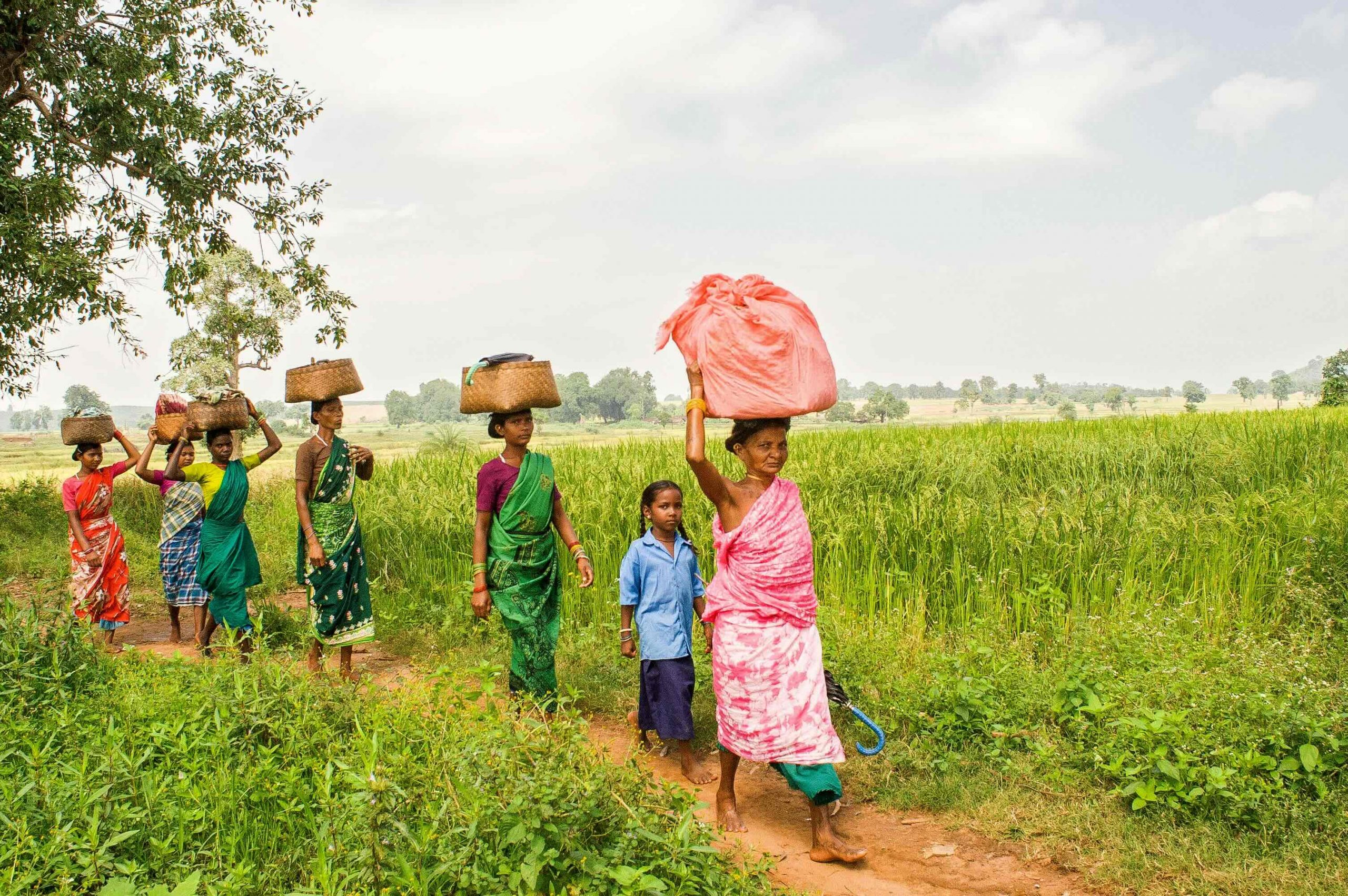
The first Mission-Driven Investment Planning Bootcamp was delivered in Milan in 2025 under the theme: “From Planning to Action: Building a Pipeline of Bankable Projects.”
The three-day programme brought together 32 participants representing 14 nationalities, including urban planners, municipal leaders, climate finance experts, researchers, entrepreneurs, and Nature-based Solution practitioners.
Participants worked on real-world challenges and applied systems thinking, Theory of Change methodologies, project clustering techniques, financing frameworks, governance design tools, and investment planning approaches.
The bootcamp demonstrated how fragmented project ideas can be transformed into coherent, investable portfolios capable of attracting funding and financing while delivering multiple benefits across sectors.
Key insights from the pilot:
- Strong investment cases begin with a clear mission and Theory of Change.
- Nature-based Solutions become more impactful when integrated into broader regenerative infrastructure systems.
- Governance, funding, financing, procurement, and implementation models must be designed together.
- Blended finance requires institutional coordination and shared ownership, not only financial instruments.
- Private-sector participation extends far beyond financing, including innovation, service provision, operations, maintenance, and outcome delivery.
Strategic outcomes
The programme seeks to catalyse a broader shift in how infrastructure investments are conceived across Europe—from fragmented projects and sectoral budgets toward mission-driven investment portfolios capable of delivering multiple societal outcomes simultaneously.
Rather than treating Nature-based Solutions as stand-alone projects, the approach positions them as essential components of regenerative infrastructure systems capable of delivering climate resilience, biodiversity recovery, water security, social wellbeing, and economic prosperity.
By strengthening the capacity of cities, regions, utilities, planners, and infrastructure professionals, the initiative helps:
- Accelerate the deployment of Nature-based Solutions
- Strengthen regenerative infrastructure systems
- Improve investment readiness and project preparation
- Develop mission-driven investment portfolios
- Foster public-private collaboration
- Mobilise public, private, and blended finance
- Support climate resilience, biodiversity restoration, and water security outcomes
Why this matters
Europe has entered a decade in which climate adaptation, biodiversity restoration, water security, and resilience are no longer optional policy objectives but strategic necessities. Achieving these ambitions will require more than individual projects.
It will require new planning paradigms capable of aligning infrastructure, ecosystems, governance systems, and financial flows around shared missions and long-term outcomes.
Through NetworkNature+, Altamira is helping cities and regions develop the capabilities needed to originate, structure, and deliver these transformational investments.
The result is a practical pathway from vision to implementation—helping cities and regions transform climate and biodiversity ambitions into investable regenerative infrastructure systems that strengthen resilience, restore ecosystems, and create long-term value for people and place.
Expanding the programme across Europe
Building on the success of the Milan pilot, the programme is being expanded through a series of regional bootcamps designed to help cities and regions accelerate the development of regenerative infrastructure portfolios and Nature-based Solutions investment pipelines.
Confirmed and planned locations include:
- Milan, Italy (Pilot)
- (video impression: https://youtu.be/Zd7mmKr1oFg)
- Bari / Puglia, Italy
- Dortmund, Germany
- Additional European locations under development